Berlin police are warning residents after receiving reports that suspected drug samples were being left in residential mailboxes, allegedly in an effort to attract new customers. While only a limited number of cases have been confirmed so far, the incidents highlight how the illegal drug market continues to adopt increasingly sophisticated marketing tactics.
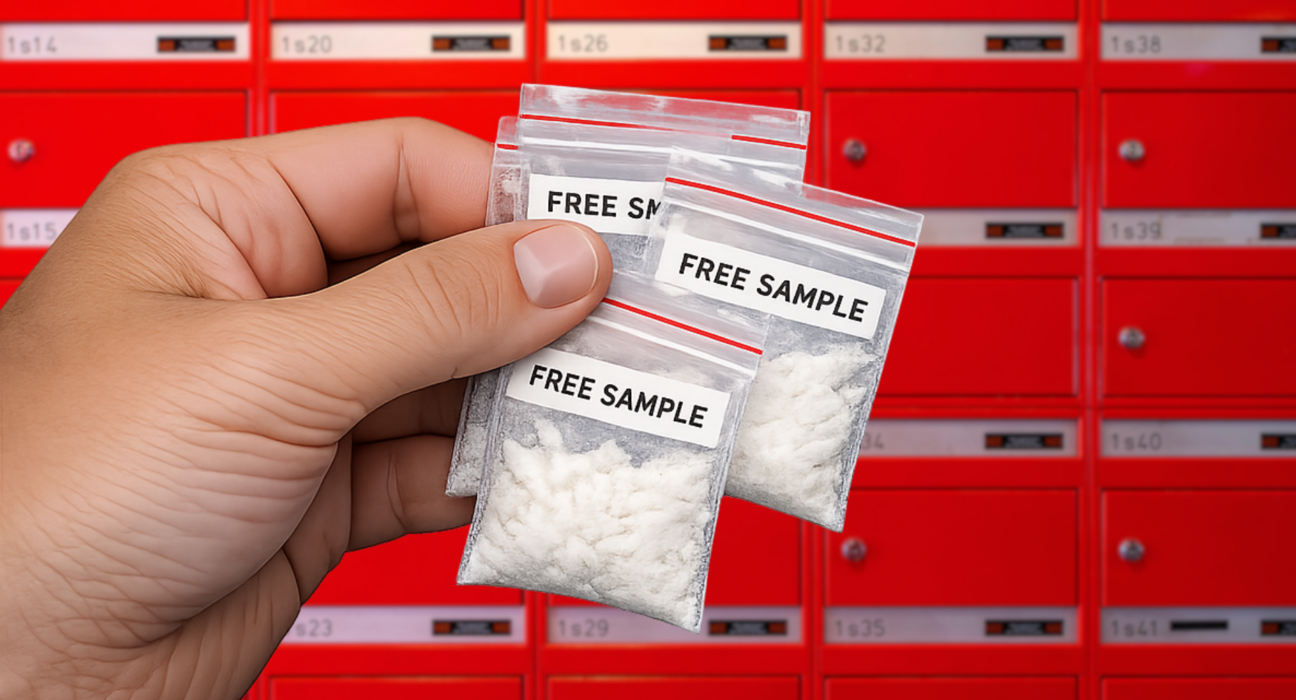
What Berlin residents can expect to find in their mailboxes—say, a pizza flyer or an appliance repair brochure—seems to be changing. Police issued an unusual warning after receiving reports that small packages containing suspected drugs had been left directly in residential mailboxes. According to authorities, the apparent goal was to attract new customers through free samples.
Although the number of confirmed cases remains limited and there is still no evidence that this is a widespread phenomenon across the city, the incidents have drawn attention both for the unusual method and for what they suggest about the evolution of the illegal drug market. Instead of waiting for users to seek them out, some dealers appear to be taking their marketing directly to potential customers’ doorsteps.
Berlin Drug Dealers’ New Tactic: Free Samples, QR Codes, and Underground Marketing
Berlin police issued the warning on July 7, as reported by The Berliner, after officers received reports that envelopes or small packages had been left in private mailboxes. According to images released by authorities, some packages appeared to contain what were believed to be samples of substances such as cocaine, ecstasy, ketamine, hashish, cannabis, or 3-MMC, along with contact details for a dealer.
In some cases, the packages featured colorful designs and candy-like packaging, raising particular concern over the risk that children might mistake them for regular sweets.
The tactic resembles a familiar marketing strategy: offering a product for free to encourage a later purchase. The difference, of course, is that in this case the strategy would be entirely illegal.
Indeed, the fact that the samples are free does not change their legal status. Distributing controlled substances without authorization is a criminal offense in Germany, regardless of whether money changes hands. Leaving these packages in mailboxes without consent could also constitute other offenses related to unlawful distribution and endangering third parties.
The Illegal Market Is Also Changing How It Advertises
Beyond the individual cases, the episode reflects a trend that German authorities have been observing for some time: the illegal market’s constant adaptation of its sales and marketing methods.
In Berlin, it was already common to find stickers, cards, or posters featuring QR codes that directed people to drug delivery services operated through messaging apps such as WhatsApp or Telegram. The appearance of suspected free samples would take that logic one step further by bringing the initial contact directly to recipients’ homes.

For now, however, it is important to keep the phenomenon in perspective. Police have not reported how many mailboxes were affected, in which neighborhoods the packages were found, or whether anyone has been arrested in connection with these incidents. Most of the coverage so far is based on the official police warning and the photographs released by authorities.
In other words, the police warning is real, but it still isn’t possible to say that this has become a widespread practice throughout Berlin. Even so, authorities recommend that residents avoid handling or opening suspicious packages from unknown sources and contact police if they find one.
While the investigation continues, the episode shows how even illegal markets are refining their strategies to attract new consumers, combining modern marketing techniques with digital channels and, now, even the good old mailbox.