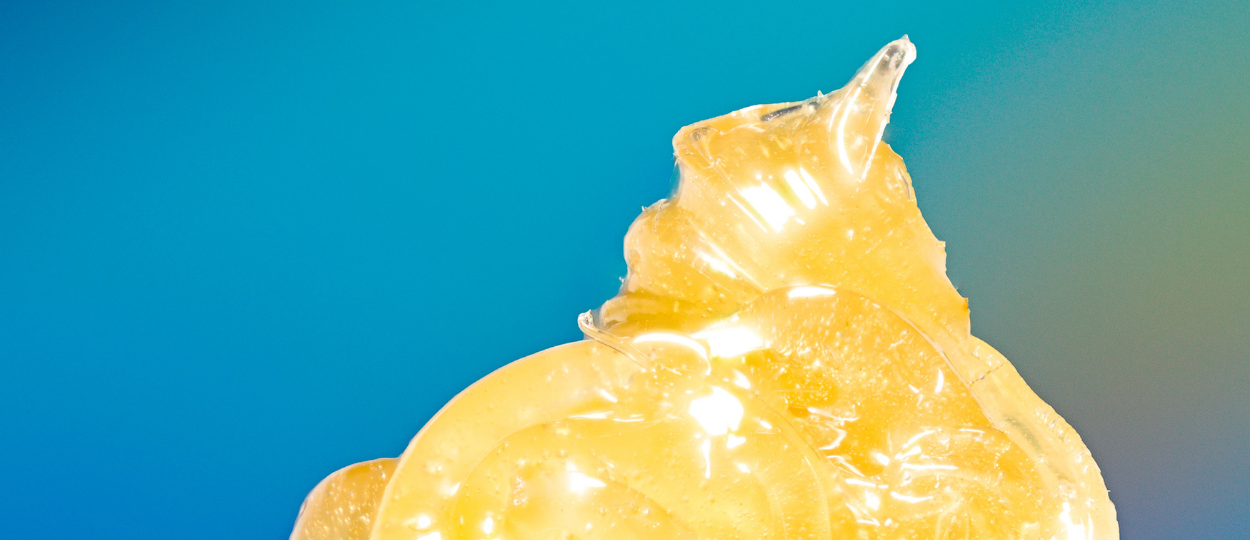
Solventless hash is the creme de la creme of cannabis. So why is almost all of it pressed from THC-dominant flower? A case for balance, chemotype diversity and the products the industry keeps insisting nobody wants.
It’s smoooooooth.
That’s what I thought the first and only time I ever stumbled across a Type II concentrate.
Living in a van means stumbling through the most random of small towns, and when I was on my quest to visit every legal market in the Northeast, there was no dispensary too out of the way to visit. It was a gram of live rosin from a shop in a small town in coastal Maine. In 2023, many of those towns still had only medical dispensaries, so I took every chance I got to stock up. When I saw this little jar, I knew I had to have it. If I remember correctly, it cost me around $40.
I was excited to light it up. Smoking out the open door of a van with the bug screen down in summer in Maine is next level, and I knew I had stumbled onto something special in this live rosin. I’m an avowed blowtorch hater, so concentrates get packed snugly into the bowl of my bubbler. I love the way they add flavor and length to the water pipe experience.
The potency is often overwhelming for me, so concentrates are a special-occasion indulgence. But I smoked that Type II live rosin every day until it was gone.
This is my plea to the cannabis industry: give me Type II concentrates.
Three Articles, One Conclusion
This is a thought I’ve had for a while, tucked away in the back of my mind. But three articles on concentrates and cannabis genetics dragged it to the front.
First, it was the Phenohunting for Washers article in Cannabis Now by Jonas Dettmer, learning about the ways in which Humboldt County cannabis farms are taking a deeper dive into their terroir and searching for genetics that thrive there. Plants that produce the best solventless hash, not those that look the best or test the highest. It was the first time I read about growers actively seeking genetics to press into hash to express the plant, not ones that simply look the shiniest. And as we all know, the cannabis industry has a serious genetic bottlenecking problem.

Then it was the articles in the concentrates issue of Fat Nugs Magazine, namely From Buckets to Benchmarks by Rob Sanchez and Fire King & The Living Language of Hash by Sara Payan. Both pieces explored what makes solventless hash an art form, not a science replicable on a mass scale. Both of them, uncoordinated and unprompted, described live hash rosin as a “grand cru wine.” This hash lives, it evolves, it breathes. Even as a blowtorch hater, I was intrigued.
Last but certainly not least, I dove into the scientific study published by Codi Peterson et al on Cannabinoid Hyperemesis Syndrome, in which the researchers, including Megan Mbengue and Dr. Riley Kirk, conclude that CHS is likely caused by CB1 agonism. They don’t say “from high potency products,” but let’s be so for real: flower and vapes are the two most reported consumption methods, and do you know how hard it is to find flower under 25% THC these days?
Reading this study made me wonder. Is it all based on high-frequency consumption of high-potency products? Would participants still feel this way if their vapes had other cannabinoids as well? Is overactivation of just the CB1 receptor to blame? Can we avoid an epidemic of CHS cases by creating more balanced cannabis products?
That’s where Type II concentrates come in.
The Case for Chemotype Diversity
Solventless hash is widely considered the creme de la creme of cannabis products, a living, pure expression of a cannabis strain that delivers unparalleled levels of aroma, flavor and experience. It’s cannabis in its purest form, because all of the plant matter has been stripped away from the trichomes and no heat has been applied, unless it’s live rosin hash, in which case it’s been pressed.
Concentrates are potent because they’re extracts. But they’re extracts from highly potent flowers, where THC dominates the cannabinoid profile. Most cannabis flower grown today is a Type I chemotype, dominated by THC.
Chemotypes differentiate cannabis flower by its cannabinoid ratios, not perceived lineages of sativa and indica.
What could a dispensary look like with a true variety of options? How many more people could cannabis help if we moved away from this mindset of THC as king? What can you create when you make solventless hash from Type II flowers?
The Myth of the Potency-Seeking Customer
“People won’t buy that.”
I call bullshit.
It’s not customers driving the potency train. It’s the cannabis industry. It’s growers who choose which seeds to pop or clone. It’s buyers who decide which strains make it on the shelves. And it’s budtenders who help customers navigate the options. Can you really blame customers for reaching for high-potency options when they make up 90 to 95% of any given dispensary’s inventory?
(Trust me. I’ve visited. Ask me how many times a budtender has pointed to the singular strain of Type II on the menu and said, “we just can’t keep this in stock.”)

This speech doesn’t make me very popular at cannabis conferences, where speakers like to wax poetic about “the potency problem” and how the only products that make money are the highest potencies.
Potency was of the utmost importance during prohibition, when buying even an eighth of cannabis would land most people behind bars for years. If you were taking that kind of risk, that weed had better get you high. But since legalization started, it’s been the industry pushing for potency, eager to see just how far they can take it with indoor-grown hybrids. And sure, the resin-drenched buds are stunning. And aromatic. And sometimes flavorful.
But let’s stop pretending that THC alone is capable of creating pleasant experiences. 30% THC flower? Great, let me grab my water bottle and weighted blanket, because I’m about to freak out on the couch for 45 minutes.
The Future of Cannabis Is Balanced
I want balance. I don’t want an overstimulated endocannabinoid system, because THC is drowning my CB1 receptors. I don’t want hordes of people introduced to ultra-potent cannabinoid isolates that overwhelm their ECS to the point of developing CHS. I want balance.
Potent THC products have a place on the market. But it would be goddamn nice to get some real options in dispensaries. Not in “strain name” or “product type,” but in cannabinoid ratios. In terpenes that are not myrcene, limonene or beta-caryophyllene.
I want molecular diversity in my cannabis products. I want to smell the distinct aroma of flowers, taste every nuance in the flavor, and feel the balance that happens when cannabinoids and terpenes work together.
To get Type II concentrates, the industry needs way more Type II flowers. To get more Type II flowers, we need cultivators and brands that understand the power of whole-plant medicine, not just THC potency. But I believe this is possible. I see a future for cannabis where dispensaries offer products driven by science and art, where you can easily find CBD and CBG-dominant flower, where packages display the top three cannabinoids and CBD isn’t just a throwaway 0.02%.
I want Type II concentrates.