Rastafari communities helped shape the modern cultural and spiritual understanding of cannabis, yet legal recognition of sacramental ganja use remains uneven across the Caribbean and beyond. Some countries have created varying forms of religious protections, often accompanied by licensing requirements, cultivation limits, or enforcement problems.
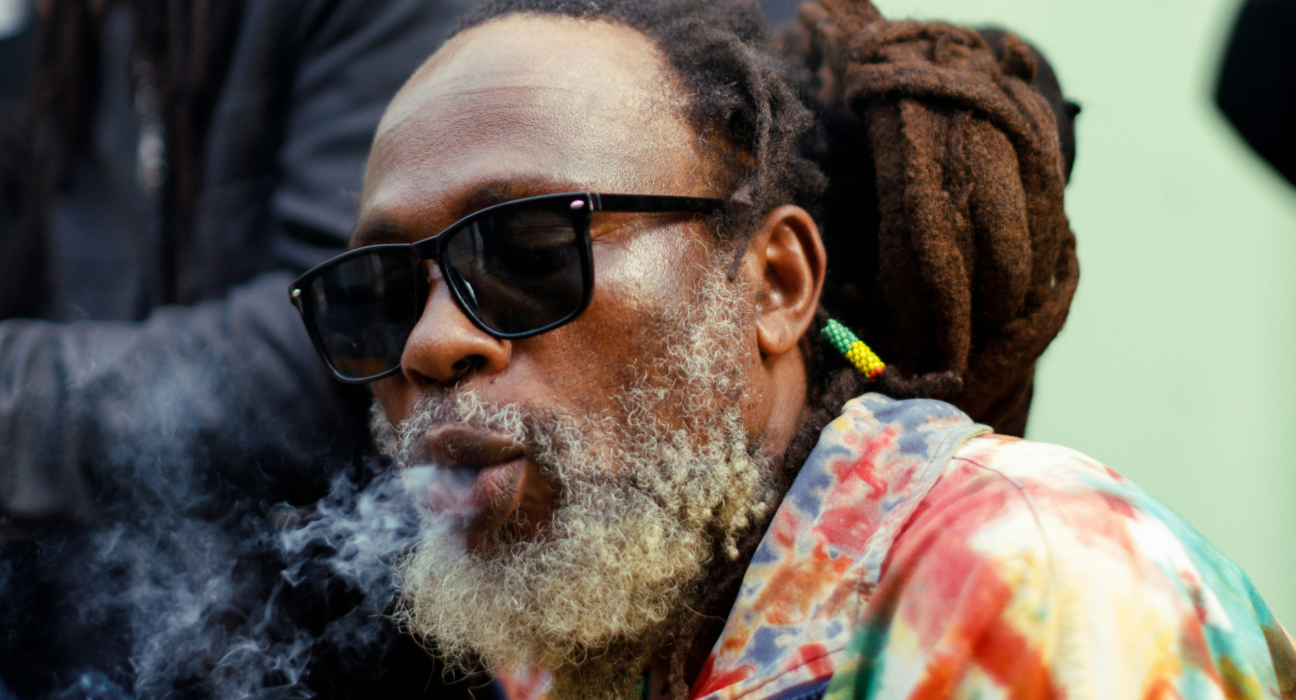
Believe it or not, the cannabis plant has connections to a surprising number of religious practices. From Hindu Shaivites to Muslim Sufis, and even possible ancestral uses within Judaism, marijuana has appeared in spiritual practices for literally millennia. But when it comes to uniting spirituality with cannabis, no other tradition compares to the Rastafari faith.
Born in Jamaica nearly a century ago, the Rastafari movement combines biblical beliefs, the ritual and spiritual use of ganja, and a strong Afrocentric and anti-colonial component. In this context, cannabis is used as a tool for spiritual and devotional growth, although not all Rastafarians choose to partake. Medicinal, communal, and individual uses are also recognized within the faith.
According to estimates, approximately 700,000 people practice this religion worldwide, although several sources agree that this figure should be taken with a grain of salt and question the reliability of traditional censuses. Most Rastafarians live in Jamaica, but there are also established communities throughout the Caribbean and Africa. And, unsurprisingly, cannabis use has encountered friction with the legal frameworks of most countries with Rastafari populations. For example, Kenya recently rejected a renewed request from the Rastafari community to allow the religious use of the plant.
However, some countries have permitted sacramental cannabis use by Rastafari communities, thanks to years of tireless activism. Below is a brief overview of the countries that have authorized the religious use of ganja for Rastafari communities.
Jamaica
The birthplace of the Rastafari movement, Jamaica decriminalized weed in 2015. Rastafari practitioners—approximately 1% of the population, or 30,000 people—have special permission to use cannabis sacramentally. They may therefore possess up to 2 ounces of cannabis and grow up to five plants at home, and tourists with a medical prescription can legally obtain their medicine. In fact, some companies offer 420 tours on the island.
Furthermore, there is an established industry for cannabis cultivation and sale, with a licensing system managed by the Cannabis Licensing Authority of Jamaica. Far from being a niche industry, the government itself has promoted its cannabis industry and supported small growers.
In 2021, Jamaica faced a drought and cannabis shortage, but its consequences pale in comparison with a more recent natural disaster. In November 2025, the country suffered a devastating blow from Hurricane Melissa, which ravaged the agricultural sector in general and the cannabis industry in particular. The disaster claimed several lives and left a large part of the population without water, electricity, transportation, and in many cases, without homes. In response, the international cannabis community launched a massive donation campaign involving activists and celebrities like Steve DeAngelo and Usain Bolt. Today, the country appears to be making a remarkable recovery, with tourism rebounding in record time.
Barbados
The Rastafari movement was introduced to this nation in 1975, and today it has approximately 3,000 local practitioners—about 1% of the population. The island legalized medical marijuana by prescription in 2019, establishing the Barbados Medicinal Cannabis Licensing Authority (BMCLA). However, it did not begin developing its domestic industry until October 2023, and its first licensed store didn’t open until June 2025. Adult use is not permitted, and possession of more than 14 grams of cannabis is punishable by a fine.
As for the religious use of ganja, the 2019 Sacramental Cannabis Act allows Rastafari practitioners to use and grow the plant. However, this legislation has been criticized as inadequate, with activists pointing to shortcomings in its enforcement.
Antigua and Barbuda
This Caribbean country legalized the religious use of marijuana specifically for its Rastafari community in 2023, five years after decriminalizing the plant. In 2018, possession of up to 15 grams of cannabis was permitted (with prior convictions also being expunged), as well as the cultivation of up to four plants. However, sales remain prohibited.
One important caveat is that those who use cannabis for religious purposes must register with the Antigua and Barbuda Medicinal Cannabis Authority if they wish to exceed the legal limits (i.e., to cultivate more than 4 plants or possess and transport more than 15 grams). For now, sacramental authorizations have been issued to the Nyabinghi Theocracy Church in Creekside, the Ras Freeman Foundation for the Unification of Rastafari of Liberta, and the Wan Love Chant of Bendals Village.
The Bahamas
The Bahamas began its process to regulate cannabis in 2018, the year the CARICOM Regional Commission on Marijuana recommended declassifying the plant as a dangerous drug. However, it wasn’t until 2023 that laws were established, permitting not only its medicinal use but also its religious use by the Rastafari community… provided they obtain a license. The license must be approved by the Bahamas Cannabis Authority—whose platform is not yet operational—and costs USD 500 annually for individual use and USD 1,000 for religious organizations.
Members of the Rastafari community in the Bahamas have expressed their discontent not only with the government’s delay in implementing the program and the imposition of license fees, but also with their exclusion from the policy design process. They have also denounced police harassment in rural areas and repeated disregard for their concerns by the authorities.
Beyond these considerations, the country does not have a particularly favorable legal framework for weed. Adult use not only remains prohibited, but can also be severely punished: possession can carry a prison sentence of up to 10 years or fines of around USD 100,000. There have been some attempts to improve this legislation, but none have succeeded so far.
Grenada
The most recent country to reform its cannabis policies—and perhaps one of the most accommodating—is Grenada, which decriminalized adult-use cannabis in early 2026, with special considerations for its Rastafarian community. Since then, the general population has been allowed to possess 2 ounces of flower and 0.5 ounces of resin, and to grow up to four plants. However, Rastafarians are not bound by this limit on home cultivation. And while consumption in public spaces is prohibited, members of the community can use ganja in established and registered places of worship.
Despite all these advances, here we have another case where members of the Rastafari community have raised concerns about law enforcement, calling on authorities to train police officers and make clear that the laws have, indeed, changed.
Saint Kitts and Nevis
This small island nation also has a modest Rastafarian community (about 1.3% of the population), as well as regulations permitting the medicinal and religious use of cannabis. The plant has been decriminalized since 2019, allowing adults over 18 to use, possess, and grow it privately.
In 2023, Saint Kitts and Nevis introduced a novel regulation specifically recognizing the rights of the Rastafarian community, the Rastafari Rights Recognition Bill, along with the Freedom of Conscience (Cannabis) Bill, aimed at the general population. Thus, Rastafarian groups can register and apply for a license to cultivate up to 5 marijuana plants and possess up to 2 ounces of flower or 0.5 ounces of resin in certain public places, and can also use cannabis in designated areas. Those without a license may be subject to relatively modest fines.
These laws arose, in part, in an effort to redress the discrimination and religious persecution historically endured by the Rastafari community in this nation.

Saint Vincent and the Grenadines
Saint Vincent and the Grenadines has approximately 1,500 Rastafarians and a regulatory framework for medicinal cannabis. The country decriminalized adult use in late 2018: possession of up to 2 ounces is punishable by a maximum fine of USD 500, and the individual may be required to receive counseling. Cultivation and sale remain illegal.
Parliament passed two bills in December 2018: the Medicinal Cannabis Industry Act and the Cannabis Cultivation (Amnesty) Act, establishing a framework for the country’s medical cannabis industry from scratch. The country’s Medical Cannabis Authority oversees a licensing system that covers cultivation, research, manufacturing, dispensing, import, export, and transportation.
The 2018 legislation also included an amendment allowing residents to use ganja in their homes and in Rastafari places of worship without penalty. Furthermore, amnesty was offered to traditional growers, and today several Rastafarian communities grow cannabis legally under the licensing system.
U.S. Virgin Islands
Finally, the U.S. Virgin Islands deserve special mention, as they are the only jurisdiction on this list with an official Rastafari Day (July 23). The date was established “as an apology for the religious oppression and persecution” suffered by this community, whose members were disproportionately arrested for marijuana use.
As for cannabis law, the U.S. Virgin Islands are also the only jurisdiction on this list where marijuana is fully legal. This decision came in early 2023, when authorities legalized cannabis for all uses and expunged the criminal records of people convicted of possessing up to 2 ounces. The legislation was refined in September of that year, setting out specific rules for medical and religious use.